


Antique Identifier, Appraisal
4.6233.00 Reviews
App Specs
- Version
- 3.0.0
- Updated On
- License
- Free
- Downloads
- 100,000+
- Developer
- Brite Technologies LLC
- Categories
- Education
- Platform
- Android
Screenshots
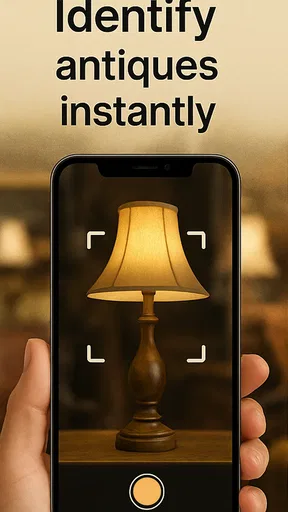
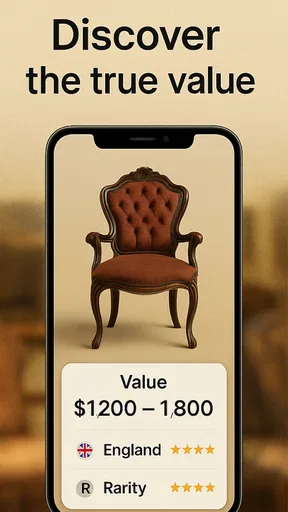
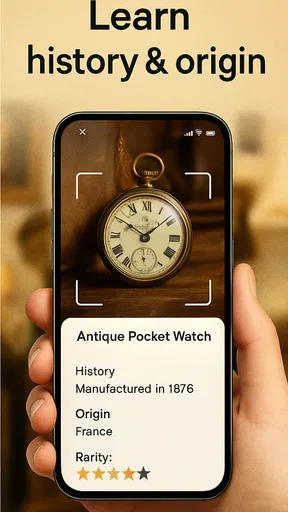
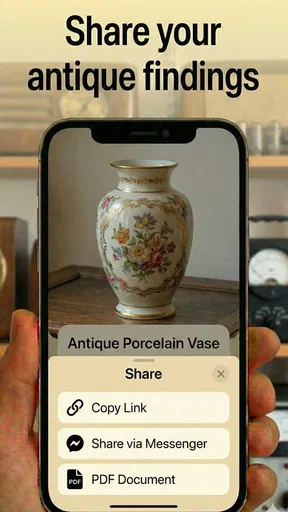
 Analysis by AppCompare
I like the idea of having a quick first stop for an object that catches my eye, especially when I’m browsing a secondhand shop and don’t want to interrupt the moment by searching through dozens of web pages. Antique Identifier, Appraisal is an education app from Brite Technologies LLC built around that simple impulse: take a picture, get help identifying an item, and learn more about it. I’d treat it as a useful starting point rather than a final authority, but for curious shoppers and people sorting family possessions, that distinction is part of using it well.
A quick check while you browse
The photo-first approach suits situations where I have only a minute to decide whether an object deserves a closer look. At a flea market, for example, I can photograph a piece, note what the app suggests, and then compare that lead with the object’s condition, markings, and seller’s description. That is more practical than trying to identify a style from memory, but I would not use an instant result as proof of age, authenticity, or resale value.
Lighting and framing matter in a way that is easy to overlook. I’d take one clear picture of the whole item and, if the object has a label, signature, stamp, or distinctive detail, a separate close-up. A photo that hides a maker’s mark or cuts off part of a piece may produce a less useful identification. This small habit also makes it easier to compare the app’s suggestion with reference material later, instead of relying on a vague memory of what appeared on screen.
Where an identification helps—and where it stops
For a first pass, an image-based identifier can help narrow a broad question: is this more likely to be a particular kind of jewelry, a vintage household object, or something else entirely? That can give me vocabulary to use in a more focused search. It is less suited to settling questions that depend on close inspection, such as whether a mark is genuine, whether a repair affects value, or whether a piece is an authentic example of a named maker’s work.
I’d be especially careful with appraisals when money or an estate decision is involved. A suggested value is best treated as context, not a guaranteed sale price; condition, provenance, local demand, and the difference between asking prices and completed sales can all matter. If I were considering an expensive purchase or insuring a family heirloom, I’d use the app to prepare better questions and then seek an appropriately qualified human opinion. The app can help me get oriented, but it cannot replace hands-on examination.
Useful for curious owners, not every collector
This kind of tool makes the most sense for someone who enjoys learning as they go: a new collector, a casual vintage shopper, or a person who has inherited an assortment of objects and wants a sensible place to begin. It can also make a slow afternoon of sorting a box more engaging, because each photo gives you a prompt to investigate rather than leaving you with an unidentified item and no idea what to search.
On the other hand, a specialist who already knows the relevant makers, marks, and market references may prefer a focused catalogue or direct advice from a dealer or appraiser. Someone who needs a formal valuation should skip relying on an automated identification alone. The choice is not really between this app and expertise: I see it as a convenient first layer, with specialist resources taking over when the stakes or uncertainty rise.
Worth Reading Before You Choose

EA SPORTS FC Mobile 26 Is a Bigger Football Game, but It Takes Time

Flipboard Shows What News Apps Must Do Beyond the Feed

Switching to Android Auto Means Rethinking Your Driving Routine

Google Calendar Makes a Crowded Week Easier to Manage

Ludo King Makes the Most of the Minutes Between Plans

Baby Panda World Brings Quick Play to Modern Phones, but Its Game Library Feels Busy
What to watch as you use it
The app is free to download, with in-app purchases ranging from $5.99 to $59.99 per item, so I’d check what an optional purchase includes before paying. If all I need is an occasional clue about a thrift-store find, I’d first see how far the free experience takes me rather than assuming I need to buy anything. The Everyone age rating also makes the app approachable for general audiences, though younger users should still ask an adult before making purchases or acting on a value estimate.
It has a 4.7 average from around 3.1 thousand ratings, with more than 50 thousand installs. Those figures suggest that plenty of people have tried it, but they do not tell me whether a result will be right for the particular object in my hand. I’d judge it by whether its suggestions are clear enough to guide the next step, and whether it helps me learn rather than encouraging me to accept a single answer without checking.
First Impressions
When I first opened the app, I was immediately drawn to its sleek and user-friendly interface. The designers have clearly put a lot of thought into making Antique Identifier, Appraisal accessible for everyone, from seasoned collectors to curious beginners. It’s all about making the world of antiques a bit less intimidating, and I’m here for it!
How It Works
The app offers a straightforward way to identify and appraise your antique finds. You simply snap a photo of your item, and the app does the rest. It uses a massive database and some nifty AI algorithms to provide you with information on the piece’s history, value, and even its rarity. I tested it out with a few items from my collection, and I was surprised at the accuracy of the results.
Features That Stand Out
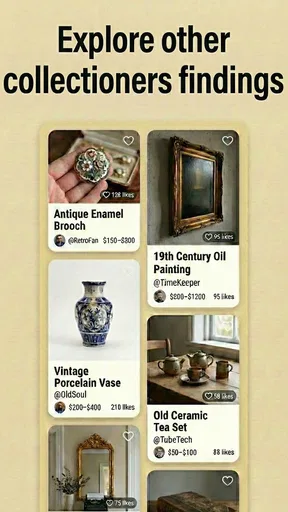
One of the coolest features is the app’s ability to connect you with professional appraisers. If you’re unsure about an item’s authenticity or value, you can easily get a second opinion from an expert. The app also has a fantastic community aspect, allowing users to share their finds and insights with fellow antique enthusiasts.
"I never imagined that identifying my grandma's old vase could be so easy!"
The app’s educational resources are another highlight. It’s packed with articles and guides on everything from identifying maker’s marks to understanding the history behind different styles and periods. It’s like having a portable antiques expert in your pocket.
Getting the Most Out of the App
To really make the most of Antique Identifier, Appraisal, I recommend spending some time exploring the various sections. The more you use it, the more you’ll appreciate its depth and breadth. Whether you’re a casual browser or a serious collector, you’ll find something valuable here.
Don’t forget to engage with the community. I’ve learned so much just by interacting with other users, and it's a great way to build your knowledge base and network.
Final Thoughts
In a world where everything seems to be going digital, it’s refreshing to see an app that brings the tactile joy of antiques into the modern age. Antique Identifier, Appraisal is a must-have tool for anyone interested in the art and history of bygone eras. It’s not just about finding out what your item is worth; it’s about connecting with a community and learning more about the stories behind each piece.
So, whether you’re a seasoned collector or just someone who loves a good treasure hunt, give this app a try. Who knows what history you might uncover?
Keeping expectations grounded
One practical question is whether a photo can answer every kind of antiques question. I wouldn’t expect it to. An image can reveal shape, decoration, and visible markings, but it cannot show how an object feels, whether a clasp works smoothly, or what lies beneath a repair. For jewelry, I’d photograph the hallmark and fastenings as well as the whole piece; for furniture or ceramics, I’d capture any maker’s mark and visible wear. The goal is to give the app a fair chance, then verify anything important through closer inspection.
There is also a difference between identifying an object and understanding its market. A plausible name or period can make research much easier, but value depends on details that a quick scan may not settle. I’d compare the result with several independent references and pay attention to whether those references discuss the same type, condition, and provenance. If the app gives me a useful lead, that is already a win; if it gives a confident-sounding answer that does not fit the physical object, I’d trust the object and investigate further.
A better workflow for sorting and shopping
For a household clear-out, I’d work in small batches rather than photograph everything in a rush. I would group pieces by broad type, take consistent pictures, and keep a simple note of the app’s suggested identification beside any marks or condition issues I can see. That turns a collection of guesses into a shortlist of questions. It also helps avoid mixing up similar-looking objects when several items are spread across a table.
At a market, I’d use the result to decide what to inspect next, not to negotiate as though the app had established a definitive price. I’d check whether the item has damage, ask the seller about its history where appropriate, and compare the description with the physical details. If the seller is pressing for a quick decision, I’d rather walk away than let an instant estimate rush me. The app is most valuable when it gives me a calmer, more informed next step.
Learning from the result, not just collecting it
The educational side can make identification more rewarding if I treat each scan as a research prompt. When the app points toward a style or period, I’d look for the visual clues that support that conclusion and compare them with the item in front of me. This is a more durable way to learn than saving a label without understanding why it might fit. Over time, noticing a mark or construction detail for myself can make future searches faster, whether I use the app or another reference.
Community input can add another perspective, but I’d still separate opinion from evidence. A knowledgeable enthusiast may spot a detail I missed, while a popular guess is not automatically correct. I’d share clear images and describe uncertainty rather than presenting an identification as settled. That approach makes discussion more useful and reduces the chance that a weak early guess becomes repeated as fact.
Version, access, and what may change
The current version is 2.6.9, and the app was released on September 15, 2025. Those are useful reference points if I’m comparing my experience with someone else’s or checking that I’m looking at the same release. They do not, by themselves, tell me which features have changed between versions, so I would avoid assuming that a particular update added a specific tool. For existing users, the sensible habit is to review the app after an update and see whether its identification flow or available learning material has changed in ways that matter to their routine.
Its minimum operating system requirement is 7.0, which gives many device owners a straightforward compatibility check before installing. I’d also consider how I plan to use the app: occasional browsing calls for a different level of commitment from cataloguing a sizeable collection or seeking help with a valuable piece. The purchase range makes it worth pausing at any paid option and checking its terms and usefulness for that particular task, rather than treating an upgrade as necessary just because I have a difficult item.
Who will get the most from it
I’d recommend trying it if the fun for you is the hunt and the learning around an object, not simply getting a number to attach to it. It fits nicely into a visit to a vintage shop, a family clean-out, or a curiosity sparked by a piece already sitting at home. It is less compelling if you need a formal document, a guaranteed market price, or specialist authentication for a high-value purchase. In those cases, a qualified appraiser or a focused reference source is the better tool, and the app can still help you arrive with more informed questions.
Overall, I see Antique Identifier, Appraisal as a convenient way to turn a photograph into a starting point for exploration. Its mix of identification, appraisal-oriented information, learning resources, and community gives curious users several ways to follow a lead. I’d keep my judgement switched on, especially when money or authenticity is at stake, but that is not a reason to dismiss the app. Used with clear photos and sensible cross-checking, it can make the first step into an unfamiliar object feel much less daunting.
Pros
- Easy-to-use interface for quick identifications.
- Wide database of antiques with detailed info.
- Includes a built-in community for expert advice.
- Offline mode available for remote appraisals.
- Regular updates with new antique entries.
Cons
- Requires premium for full feature access.
- Occasional inaccuracies in item identification.
- Limited language support for non-English users.
- Heavy app size may affect older devices.
- Some users report slow customer support responses.
FAQs for Antique Identifier, Appraisal
What features does the Antique Identifier, Appraisal app offer?
The Antique Identifier, Appraisal app provides detailed information about a wide range of antiques, including origin, era, and potential value. The app utilizes image recognition technology to identify items from photos. Additionally, it offers appraisal services, expert advice, and a community forum for antique enthusiasts to share insights and tips.
How accurate is the identification and appraisal process in the app?
The app uses advanced AI technology and a database of historical information to provide accurate identifications and appraisals. However, accuracy can vary based on the clarity of the photos and the uniqueness of the item. For precise appraisals, consulting with a professional through the app is recommended.
Is the Antique Identifier, Appraisal app user-friendly for beginners?
Yes, the app is designed with an intuitive interface that makes it easy for beginners to navigate. It includes step-by-step guides on how to take photos for identification and offers tutorials on understanding antique valuations. The app also has a helpful customer support team available for any questions.
Are there any costs associated with using the app?
The Antique Identifier, Appraisal app offers a free version with basic features. However, in-depth appraisals, expert consultation, and access to premium content require a subscription or one-time payment. Users can choose the plan that best suits their needs, with options for monthly or annual subscriptions.
What types of antiques can be identified and appraised using the app?
The app covers a wide array of antiques, including furniture, jewelry, coins, artwork, and more. It is continuously updated with new entries to expand its database. Users can submit requests for specific item types if they are not currently covered, helping the app grow its offerings.


